
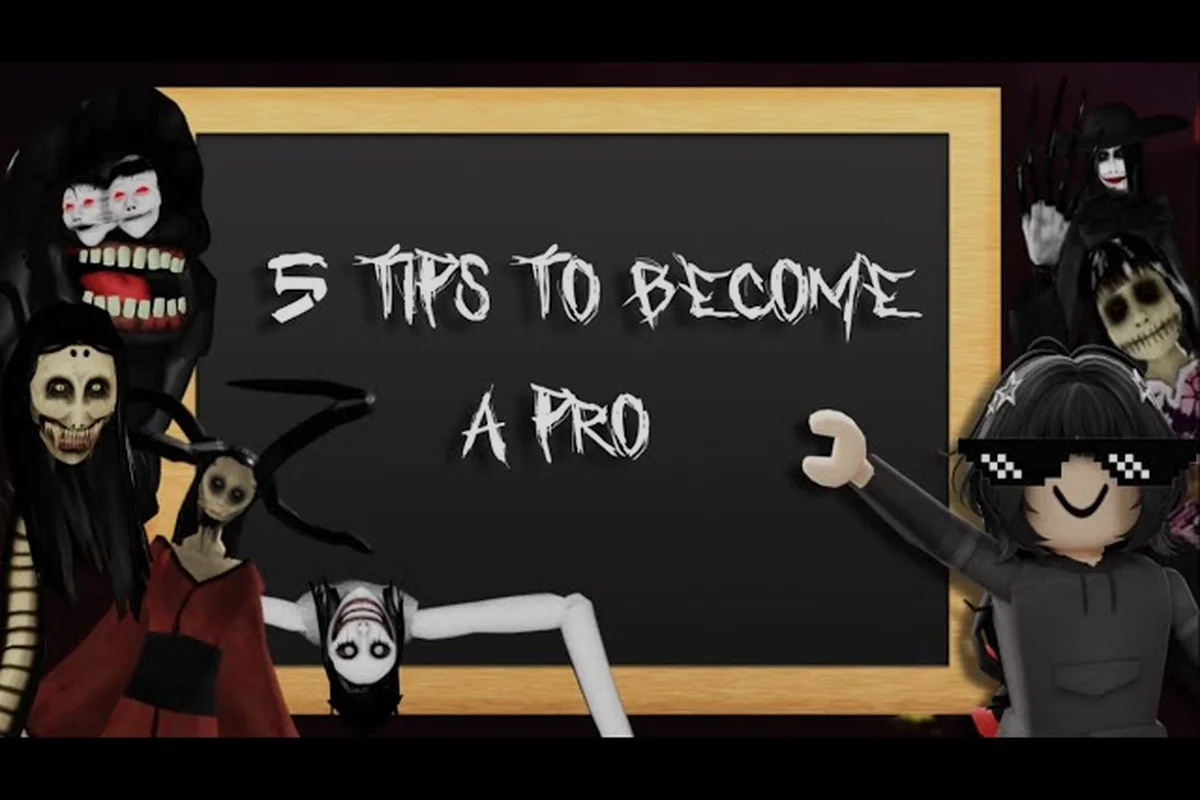
The Mimic first hour guide matters because your opening choices shape which storybook route you enter, which chapters become available, and how quickly you learn each route’s hazards. For example, examining the key items and dialogue options before committing can reveal more of the branching path, while poor early decisions may push you into a longer, more dangerous chapter order. Treat the first hour as preparation for The Mimic chapter unlock guide: identify what each choice changes, conserve resources for unavoidable encounters, and enter later storybook routes with a clearer survival plan.
The Mimic First-Hour Priorities Before You Play
A strong The Mimic first hour guide starts with three priorities: choose a storybook that matches your preferred pace, learn the basic movement loop, and identify the safest way to approach each objective. The game’s opening stretch introduces the atmosphere and core danger quickly, so rushing usually creates more confusion than progress.
Think of the first hour as a rehearsal run. Your goal is not merely to reach the end; it is to recognize which threats require patience, which shortcuts cost more time than they save, and how the route changes when danger closes in. That knowledge carries directly into later chapters.
| First-hour priority | What to establish | Why it matters |
|---|---|---|
| Storybook choice | Preferred difficulty and expected play style | Changes how cautiously you should approach danger |
| Movement | Running, turning, and route awareness | Prevents avoidable catches and wasted objectives |
| Objective handling | Where to go and when to move | Limits backtracking and exposes the chapter structure |
| Threat response | Hide, evade, or assist a teammate | Creates a consistent response under pressure |
| Exit route | A clear path toward completion | Stops a successful objective from becoming a last-second failure |
Establish a clean starting routine
Before advancing, take a few minutes to learn how movement feels in the actual lobby environment. Walk around, sprint short distances, turn sharply, and notice how the character reacts when a wall or narrow passage interrupts a route. This sounds basic, but repeated directional input in a tense chase is a different skill from relaxed exploration.
You can use the The Mimic beginner guide to establish broader control, movement, and interaction habits. For this first session, focus on the smallest useful loop: enter a room, identify the objective or threat, gather what you need, and leave before the room becomes more dangerous.
Treat the lobby as practice, not downtime
Lobby activity is valuable because it lets you learn the rules without losing progress. Pay attention to prompts, interactable objects, teammate pings, and the route into the chapter. If another player demonstrates a useful hiding location or safe corridor, remember it and compare it with your own route later.
For example, players often report that entering a busy room too quickly is less effective than waiting at the previous threshold. That pause gives you time to inspect the doorway, hear nearby movement, and decide whether to commit or retreat. A short wait can prevent a long recovery.
Decide when to cooperate
Cooperation is valuable when objectives are spread across separate areas, but it can also divide attention. Agree on a simple rule before entering: communicate the objective direction, regroup at recognizable landmarks, and avoid exploring a dead end unless someone has already confirmed the route.
The The Mimic hiding spots guide becomes particularly useful after your first encounter, when you have a danger pattern to react to rather than an unknown map to search blindly. In the opening stretch, note which chase cues precede the Mimic’s appearance, which routes let it cut you off, and how long you can safely remain near a hiding place before checking again. For example, if the mimic typically intercepts players near the corridor junction, use that first run to identify its patrol timing, then treat the nearby hiding spots as escape options rather than permanent shelter. This lets you preserve early resources and avoid committing to a full map sweep before the threat’s behavior becomes clear.
The Mimic Chapter Unlock Guide and Storybook Choice
The Mimic chapter unlock guide begins with the storybook selection screen, where players choose the opening route they want to experience. Since different books can present different chapter orders and conditions, the safe approach is to select one available storybook, understand its objective structure, and use the first hour to establish how progression works.
The provided walkthrough for Book 3, Chapter 1 is a useful reference for comparing your route, especially if you need to verify where an objective leads after a confusing encounter. However, a walkthrough should confirm a route rather than replace observation. If your active book differs, room layouts and available choices may not match what you see.
| Choice state | Recommended action | Reason |
|---|---|---|
| First playthrough | Start with one available storybook | Prevents route overload and supports focused learning |
| Chapter already completed | Review the next available chapter | Builds a repeatable personal progression route |
| Unclear objective | Pause, inspect the room, and check the route | Distinguishes an interaction task from a movement task |
| Group session | Assign chapter coverage before starting | Reduces wasted searching |
| First-hour timeout | Prioritize the objective and exit | Progress matters more than collecting every optional detail |
Make the storybook choice based on desired pressure
Choose the book whose pace and danger style suit your current mood. If you want a measured introduction, pick the route that allows more careful exploration. If you want immediate action, choose one with tighter objective sequences. The important point is to finish a complete opening chapter before comparing difficulty across books.
Storybook selection matters because it determines the route you must learn, not merely the label shown on the menu. Each storybook creates a distinct sequence of rooms, decisions, and chapter transitions. Starting with a route and learning its logic makes later entries easier to approach.
Learn the chapter unlock pattern
Progress generally depends on completing the current chapter and its required objectives rather than finding every optional secret. A practical chapter unlock guide is therefore simple: finish the active task, survive the route, and reach the exit or completion screen. Extra discoveries can still improve knowledge, but they should not distract from the main objective during your first hour.
Use the chapter walkthrough for The Mimic if you need a broader view of chapter order or a specific route reference. Keep the walkthrough nearby as a recovery tool rather than following it step by step without first checking the room yourself.
Avoid common chapter-selection mistakes
The biggest mistake is switching books whenever progress feels slow. Each restart costs time and makes it harder to remember the route. Another mistake is treating an uncollected secret as proof that the chapter cannot be completed. If the objective is active and its route is open, continue toward the required task before exploring every side room.
A third mistake is starting a group run without a shared objective. The simplest approach is for one player to lead toward the active task while others protect the group from immediate threats. Update that assignment after each major room.
The Mimic Before You Play Checklist
The Mimic before you play checklist covers preparation inside the game rather than lore or speculation. Focus on interface clarity, sound awareness, objective tracking, and knowing what to do when separated from the group. These habits reduce hesitation during the most important encounters.
Start with a short controls check. Confirm that you can move, sprint, interact, and use any available communication command. If you are playing with others, test the ping or quick-message system before entering the chapter. A failed command during a chase is distracting, while a working signal can prevent a group from taking incompatible routes.
| Preparation area | Check before starting | Strong opening habit |
|---|---|---|
| Controls | Movement, sprint, interact, and communication work | Use short bursts of movement around corners |
| Objective | You can identify the current task | Return to it after every optional detour |
| Sound | Headphone or speaker volume is clear | Pause before crossing an open doorway |
| Group roles | Someone leads and someone watches behind | Regroup at the first safe landmark |
| Inventory state | No unnecessary clutter or confusion | Keep one hand focused on the route |
| Mental plan | You know the intended exit | Do not tunnel-vision on the final room |
Learn the difference between hiding and stalling
Hiding is useful when the threat has a search pattern you can predict. Stalling is useful when you need time for a teammate or another objective. The mistake is treating every chase as a hiding problem; some routes are better solved by crossing a controlled area while the threat is moving elsewhere.
The safe threshold is the last corner before a dangerous room. Stop there, listen, and peek only enough to confirm the next action. This gives you more information than rushing blind and less commitment than standing directly in the doorway.
Build a communication vocabulary
Even with three or four common callouts, consistent communication can prevent most group mistakes in The Mimic’s early chapters. Use direct labels such as “objective ahead,” “behind you,” or “move now,” pairing them with the current room or target so the warning is actionable; for example, “objective ahead, mimic room” is clearer than “danger.” Avoid ambiguous phrases such as “look out” or “over there,” which could refer to different threats, corridors, or objectives and cause the team to split its attention.
If someone cannot speak or use text, agree on pings before the run. One ping might mean danger ahead and two might mean regroup, but only use signals the entire group understands. Rehearse them once in the lobby rather than expecting players to infer them under pressure.
Set a first-hour goal you can complete
Choose a goal such as completing one chapter without dying, clearing every required objective, or finishing with all teammates in the same safe area. Avoid goals involving advanced secrets or a flawless record on your first attempt. A specific but attainable target teaches more than an overly ambitious objective that ends the session early.
The first-hour objective should be written down before entry, such as completing one chapter without dying or reaching the safe area with every teammate alive. After the run, record the room that caused the most trouble, whether it involved movement checks, enemy encounters, or failed puzzle steps, and note which rule you ignored. This brief debrief—covering both the objective and the mistake—turns one attempt into a repeatable learning process for The Mimic.
Survival Routes Through the First Chapter
Surviving the first chapter requires separating the route into distinct phases. The opening phase favors observation, the middle phase usually demands objective tracking, and the ending phase rewards efficient exits. Trying to apply the same cautious pace to all three can waste time, while treating every room as dangerous creates unnecessary hesitation.
Community experience consistently favors route discipline over constant panic. Players report that moving calmly until the threat is visible is more reliable than sprinting through rooms that may contain a required interaction. That does not mean walking slowly; it means choosing speed based on information.
| Route phase | Main priority | Common mistake | Better response |
|---|---|---|---|
| Opening approach | Learn landmarks and doors | Entering the first room blind | Observe from the previous threshold |
| Objective search | Identify the required interaction | Collecting every nearby item | Confirm the task, then focus |
| Threat encounter | Preserve health and grouping | Splitting to handle threats alone | Use pings and regroup nearby |
| Objective completion | Reach the exit without wandering | Continuing an unnecessary side route | Leave after the task updates |
| Final approach | Preserve the completed run | Re-entering a dangerous room | Follow the shortest known exit |
Read rooms from entrance to exit
When you enter a room, scan from high visibility to low visibility. Look for obvious danger first, then the objective marker, then possible hiding or escape positions. This order prevents a player from focusing on an item while a more immediate threat remains active.
Make a mental map of three things: where you entered, where the objective was, and where you left. These landmarks matter when the route loops or when you must return after collecting an item. If you cannot identify one, place a marker with the in-game communication tools when available.
Use teammates to reduce uncertainty
A two-person scouting method works well in uncertain rooms. One player watches the threshold while the other checks the objective position. Swap roles after the room is cleared rather than maintaining the same assignment forever. This keeps both players active and prevents a passive teammate from becoming separated.
If a teammate is downed, check whether the objective can still be completed before committing to a rescue. Sometimes the responsible route is to stabilize the group elsewhere, while other times the mission requires immediate retrieval. The right decision depends on the current objective and your team’s remaining room.
Handle the final objective without overplaying
Once the required interaction is complete, avoid reopening a settled decision. Keep the same exit route if it remains available, and do not chase optional rewards that sit deeper in danger. A common failure pattern is finishing the main task, then losing the run while trying to improve the score.
The exit priority is simple: required progress first, optional value second. For example, if the active objective is still waiting on a chapter task, confirming that task should take precedence over a nearby reward cache, because every extra interaction extends the period in which the chapter can still go wrong. Experienced groups protect that order by completing the objective chain before collecting optional resources, then leaving through the safest available route.
Review the route after the run
Write down three observations immediately after finishing: the room where your group slowed down, the objective that caused confusion, and the mistake that caused the closest call. Then compare your route with the chapter strategy and speedrun guide. It can reveal optional details worth returning for, but the first-hour goal is still to understand the core path.
Practical First-Hour Decisions and Recovery
Even a well-prepared player will make uncertain decisions. Recovery matters because The Mimic first hour guide should help you finish a chapter, not create perfection anxiety. When something goes wrong, reduce the problem to the next safe decision: protect the player, locate the objective, or reach the exit.
| Situation | Immediate decision | Reason |
|---|---|---|
| Group becomes separated | Call a landmark and regroup | Prevents scattered objectives and unclear rescues |
| Objective location is unclear | Return to the last known marker | Anchors the route in verified information |
| A teammate is in danger | Communicate the threat and approach | Reduces accidental friendly interference |
| Optional area looks costly | Ignore it temporarily | Protects chapter progress |
| Route is blocked | Find an alternate exit | Prevents passive waiting |
| A mistake causes a chase | Break line of sight and relocate | Creates distance rather than turning into a sprint contest |
Set recovery priorities
Use a three-level priority system: survive, complete, then optimize. If you are healthy and the group is together, you can explore a little. If a teammate is in danger or the chapter is nearly complete, focus on the direct route. If the group is already failing, avoid optional objectives entirely.
This system also makes co-op calls easier. A teammate can announce “optimize,” “objective,” or “survive” to shift the group’s behavior without a long explanation. For example, use “survive” when a Mimic encounter forces the team to regroup or preserve health, “objective” when the chapter’s current task matters more than optional rewards, and “optimize” once the team has room to collect resources or pursue upgrades. These labels work because each one has a clear and immediate meaning, allowing everyone to adjust before another objective, Mimic, or route decision becomes the priority.
Learn from failure without overcorrecting
One failure may come from poor execution, while repeated failures often reveal a misunderstanding. If you sprint into the same danger every time, change your approach. If you lose the objective because you cannot identify a landmark, pause more often and improve route memory.
Avoid changing several habits at once. Focus on one correction for the next attempt, such as stopping at the doorway or assigning a rear guard. This makes the difference easier to notice and prevents a frustrating cycle of random adjustments.
Know when to end the session
Stopping after a clear chapter or a useful lesson is better than continuing while frustration reduces attention. If you have completed the main objective but keep making preventable mistakes, end the run and review your notes. A short break can restore the concentration needed for the next chapter.
The first-hour checkpoint should answer three questions: what did you learn, which mistake repeated, and what will you test next time? For example, note whether you missed a chapter unlock condition, skipped a readable clue, or mishandled a jump scare because you reacted late. Comparing that result with your next attempt shows whether you are improving chapter progression or repeating the same first-hour error, turning a session boundary into a deliberate progression point rather than an arbitrary stop.
Building a Repeatable Opening-Chapter Routine
The final stage of The Mimic first hour guide is turning what you learned into a routine. Repeatable routines reduce cognitive load because you no longer need to decide where to look, how to communicate, or what counts as a safe pause. The goal is not to memorize one exact route; it is to recognize the same decision pattern in a new storybook.
Begin with a controlled opening. Enter slowly enough to identify the first landmark, then move at a pace that lets the group remain together. Check the objective prompt, assign a route, and confirm that everyone knows the next target. Repeat this sequence whenever the group enters a new room type.
Use a three-pass learning method
The first pass observes the route without collecting extras. The second pass fills in unclear objectives and alternate exits. The third pass tests speed only after the route is understood. This order prevents speed from becoming a substitute for knowledge.
| Pass | Focus | End condition |
|---|---|---|
| Observation | Landmarks, doors, and threat locations | Main objective completed |
| Confirmation | Objective prompts and alternate exits | Route explained to the group |
| Execution | Cleaner movement and faster regrouping | Chapter completed with fewer mistakes |
Keep a personal chapter log
After every chapter, record four details: the starting storybook, whether you completed or failed the chapter, the longest delay, and the room worth revisiting. For example, a delayed delivery may point to a route-design problem, while a missed objective can reveal that you did not recognize an unfamiliar task. Tracking these entries across chapters shows whether repeated failures come from communication, reaction time, route design, or unclear objectives.
The chapter completion marker should include the storybook name and difficulty because the same chapter may behave differently across routes. This detail also makes it easier to compare the Nightmare difficulty overview when you are ready for a stricter challenge.
Prepare for the next unlock
Before returning, check which chapter comes next and whether it introduces a new mechanic. Review the broad chapter order, then decide which part deserves the most practice. If you understand the exit and objective structure, your next run should feel much more controlled.
You now have a complete opening plan: choose one storybook, establish controls, secure the objective, protect the group, and leave through the verified exit. Revisit the The Mimic chapter unlock guide only as a reference when you want a deeper look at chapter progression. Your next session should begin with one clear goal and one correction from your previous run.
Frequently Asked Questions
Should beginners finish every optional objective during the first hour?
No. Complete the required chapter objective and establish a safe exit first. Optional tasks can introduce extra danger, distract from group coordination, and encourage route errors. Once you understand the core chapter, return for secrets or collectibles with a deliberate route and enough time for recovery.
Is it better to hide or run when a Mimic appears?
Neither option works automatically. Hide when you have identified a predictable search pattern and a reachable hiding place. Run when you have a clear escape route and enough separation from the threat. Moving blindly rarely helps, so pause at a safe threshold and use nearby corners, doors, or teammate positions to improve your odds.
Can I unlock the next chapter without collecting every secret?
Usually, chapter progression depends on completing the main objective and surviving the chapter rather than collecting every optional item. Secrets may provide rewards or additional context, but they should not block your priority during the first hour. Verify the completion screen after finishing the required task if you are uncertain.
Should groups stay together during the opening chapter?
Stay together when objectives are close or threats are uncertain. A small split can be useful when players have confirmed separate tasks, provided they agree on a meeting point and use pings. If communication breaks down, regroup at a recognizable landmark rather than continuing to search independently.
What should I improve before attempting a harder chapter?
Improve objective recognition, landmark memory, communication, and escape timing. Watch for repeated mistakes during one normal chapter, then test that specific correction on the next attempt. Difficulty is easier to handle when the group understands its route and can recover from a bad position without scattering.